What did people call that short jacket on the dance floor? Begin with two people who remember wearing or seeing it at the same club. Give each a chance to name it before hearing the other answer. A useful glossary can carry two names for one jacket. It should also tell readers who used each word, when they went dancing, and which part of the look they meant.
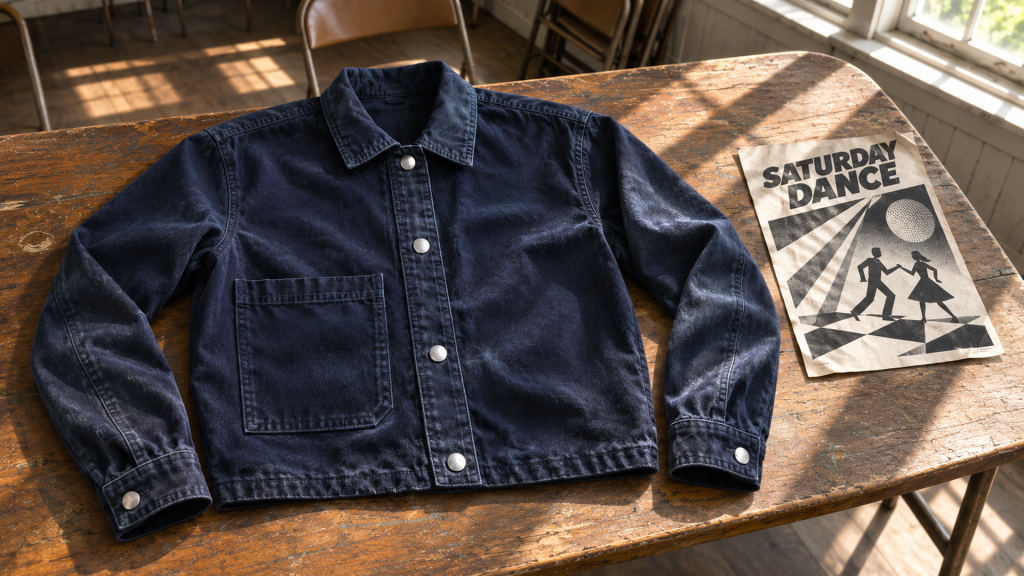
Featured image generated with AI.
Give the flyer one job
Pick one night, room or run of parties for the first page of the glossary. A regular who went to Thursday practice and somebody who came for the Saturday dance may remember quite different clothes in the same building. On your invitation, describe the occasion narrowly enough for someone to say they were there, or to tell you that their night belonged to a different crowd.
Bring a flyer if its owner agrees. Ask what the person recognises before you read out the date. A design may have been reused. The address could belong to the promoter rather than the dance floor. Write down what is actually printed and what the person remembers about arriving. A flyer with a date can anchor a question even when nobody can link the jacket to that particular evening.
Set out a plain description everyone can point back to. For the imaginary example here, the jacket is dark blue, ends at the waist and has a metal snap at the wrist. Those three features let you discuss it without slipping a style name into the question. If using a borrowed image, ask separately about showing it at the conversation, saving a copy, cropping it and putting it online. A person who lent you the flyer may have little say over the photograph printed on it.
Let the first dancer set the terms
Invite the person to talk you through an action. They might be fastening the jacket outside, rolling the sleeve back inside or taking it off to dance. Ask what they would have said to the friend minding their coat. A word someone would use across a noisy room can be quite different from the term they would type into a resale search today. Both answers can be worth keeping if the reader can tell when each belonged.
Give the speaker time to finish the gesture. Suppose the first dancer indicates the lower edge and calls it a short jacket. Ask whether they could use those words for another garment with a long body and short sleeves. Their answer will tell you whether the name follows the hem, the sleeve, or the whole silhouette. Ask them to describe it in a way a reader who cannot see the picture could follow.
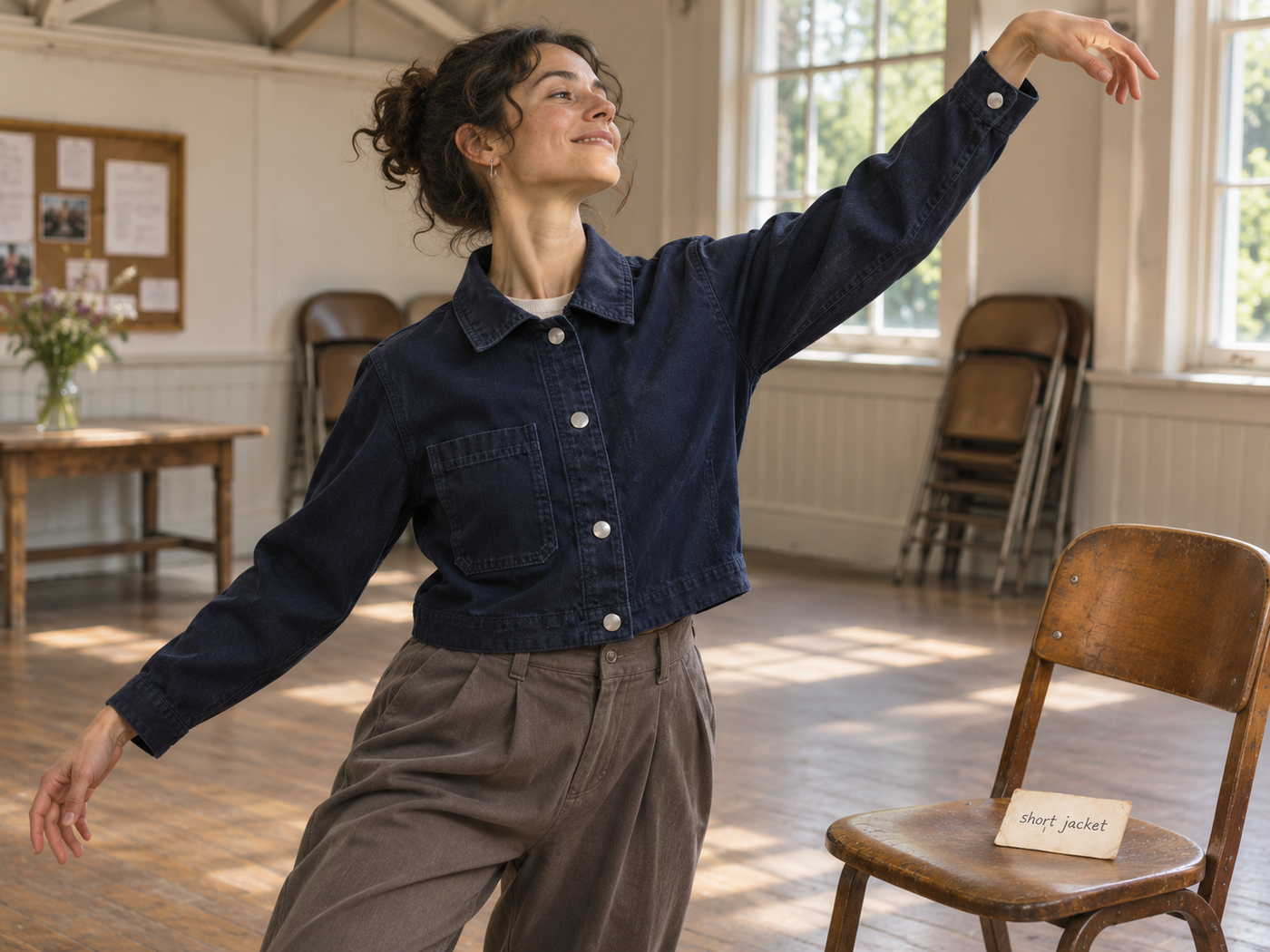
Who else used the name? An answer such as “my sister and me” gives the phrase a wonderfully precise home. Ask whether the person heard it in the changing room, outside in the queue or only in the kitchen before leaving home. Keep their own account of that small circle. Publication can make a family nickname look like the name a whole city used unless somebody writes down its reach.
Give the second person a fresh start
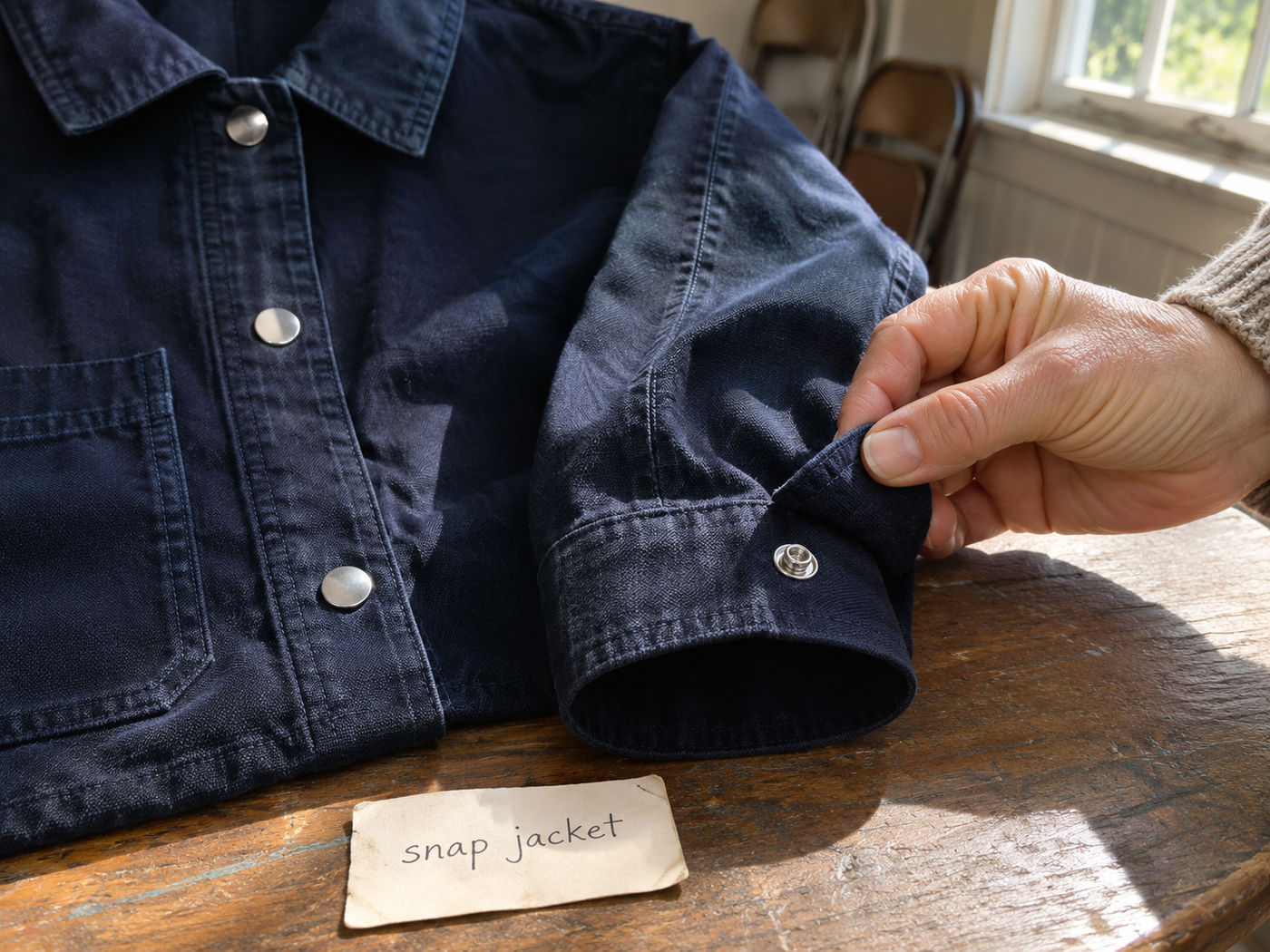
Set the first notes aside. Show the second regular the same permitted picture at the same size and ask about the same kind of night. Use the same open question. Telling them you have heard one term already can turn a conversation into a contest to remember the right answer. A different view of a cuff can come out after they have had a chance to pick the detail they recognise.
Suppose this dancer calls the piece a snap jacket. They might use that term for several jackets with the same wrist fastening, including a longer one. Now there are two quite good entries. One lets a reader find the waist-length shape. The other leads to the small gesture of closing the cuff. Make a cross-reference between the two entries and leave room for either person to refine the distinction.
When dates diverge, write out each person's period of attendance. Someone who left in 1998 and someone who started in 2002 cannot by themselves tell you exactly when a term changed. A new promoter, a different group of friends or an entirely separate garment could explain the difference. Ask who, if anyone, remembers going in the intervening years. Leave the interval open until there is an account to put in it.
If the second person recognises the garment only after hearing the first name, mark that point in your notes. Their response can show that the phrase is familiar now. An independent recollection of using it then is a different kind of contribution. The guide to listening to the question before a clothing memory will help if the answer came from a recording and you need to check exactly when the interviewer introduced the word.
Agree on what the page can say
Read each term back aloud and invite the speaker to write it if they wish. Ask about spacing, capitals, singular and plural, and any difference between the spoken sound and a spelling people used on flyers. Some expressions spent most of their lives in conversation. Let the person choose a spelling for this glossary, or label a spelling as the editor's transcription with their agreement. A tidy alphabetical entry can accommodate uncertainty.
Make the proposed use concrete. Show the person a sample page on a phone or on paper. Explain who can read the planned edition, whether it can be searched and whether a later exhibition is a separate use. Offer the exact credit options the project can honour. A nickname and a sharply dated anecdote can identify someone even after their legal name disappears. If that combination worries the contributor, shorten the account with them or leave it out.
The Oral History Association asks interviewers to establish consent and, when possible, give narrators an opportunity to review their contribution before release. Build that review into the work. Send this person their entry, the image crop, its caption and the line connecting their word to the other dancer's. A yes to the interview settles only the conversation. Record the version they approved and where it may appear. Let them know how to reach the editor if the wording needs another look.
Put two names on the page
Try this miniature entry as an editing exercise. All the people, labels and dates in it are invented. The object description is “waist-length blue jacket with a snap at the cuff.” File the two accounts individually.
- Short jacket. A remembers using these words at Saturday dances in 1998 and pointed to the hem.
- Snap jacket. B remembers using this name in 2002 and identified the fastening at the wrist.
List both headwords in alphabetical order. A reader arriving by either one can find the other.
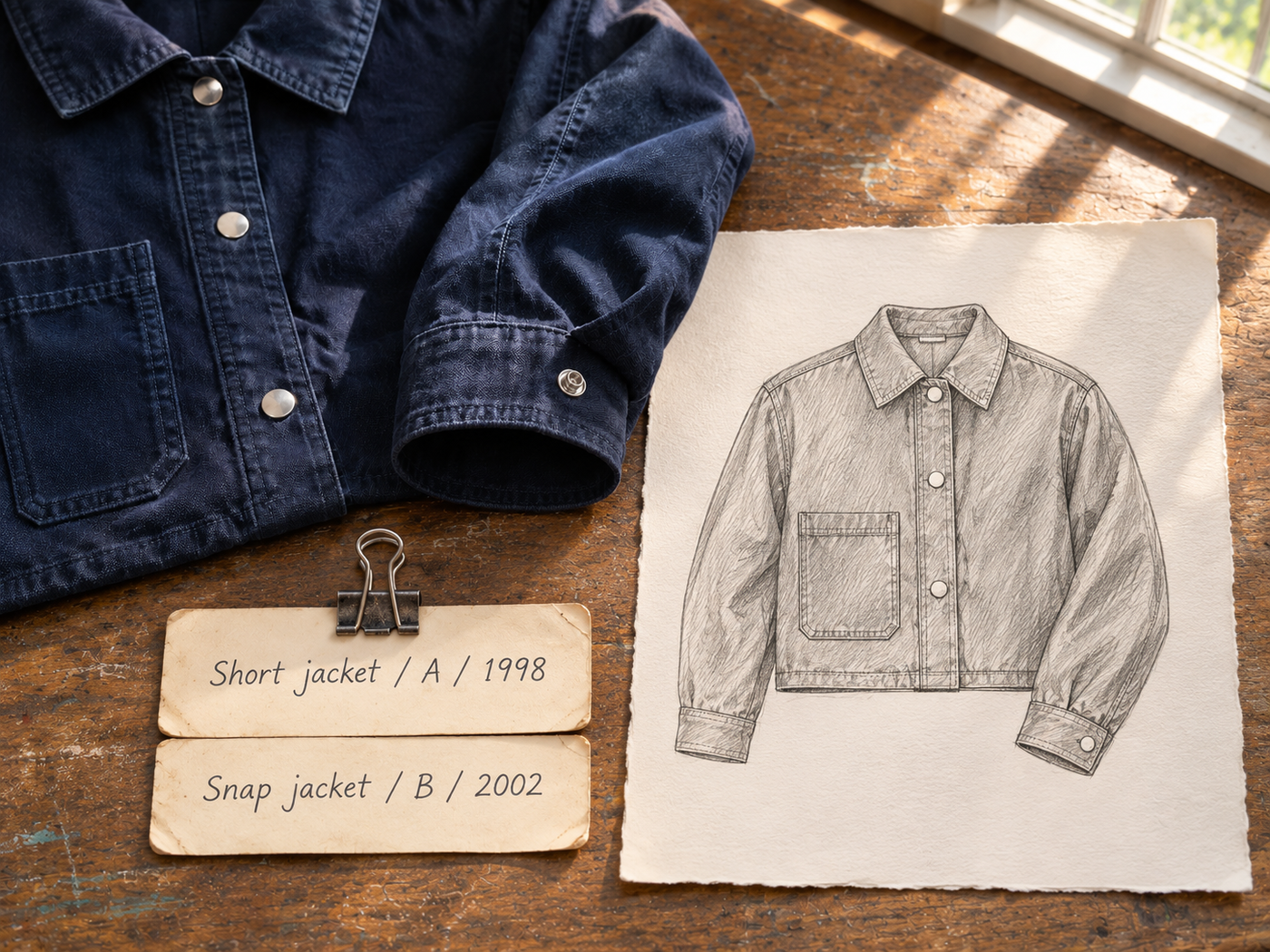
For a small printed glossary, put the cross-reference right under the name. In an audio edition, have the reader speak both terms and pause between them. Before using a dancer’s recorded voice in that edition, ask whether their agreement covers audio playback. Permission to print a chosen spelling may be all they intended to give.
Give each entry a date for the conversation as well as the period it describes. Put the revision date at the foot of the entry. Keep a private reference to the recording or approved notes so a later editor can find the exact exchange. On the public page, a short credit and a clear sentence about use may be enough. The permission correspondence and contact details belong with whoever is responsible for the collection.
Try reading that entry as someone who never went to the club. Could they pick the jacket out from a coat rail? Would they know that four years separate the two accounts? Could they tell whether anyone wore the short jacket while dancing, or simply remembered bringing it? Send precisely that last question back if it matters to the definition. A narrower, answered question usually makes a better entry than another adjective describing the scene.
Decide what stays in the room
A contributor may describe why a word mattered and still ask you to keep the word private. Agree on whether any mention of that conversation may appear. Even an empty line labelled “private nickname” can point to a person in a small community. If silence is their preference, omit the entry and follow the agreed restrictions on the working notes. If the two accounts cannot be printed together under their respective permissions, publish only the material cleared for that particular use.
Before releasing the first handful of entries, ask each contributor to find one word as a reader would. Does the cross-reference lead to a description they recognise? Can they see their agreed name at the moment the term appears? Let them answer in their own time and log any changes. The little glossary is ready for readers when a stranger can imagine what the jacket did on the dance floor and the people who put the words there recognise what they chose to share.

By Sylvie Noren