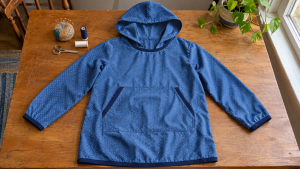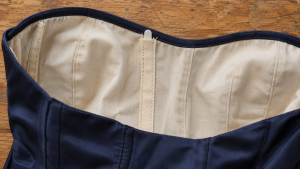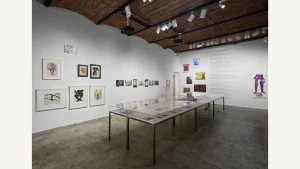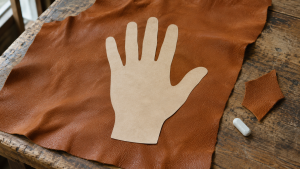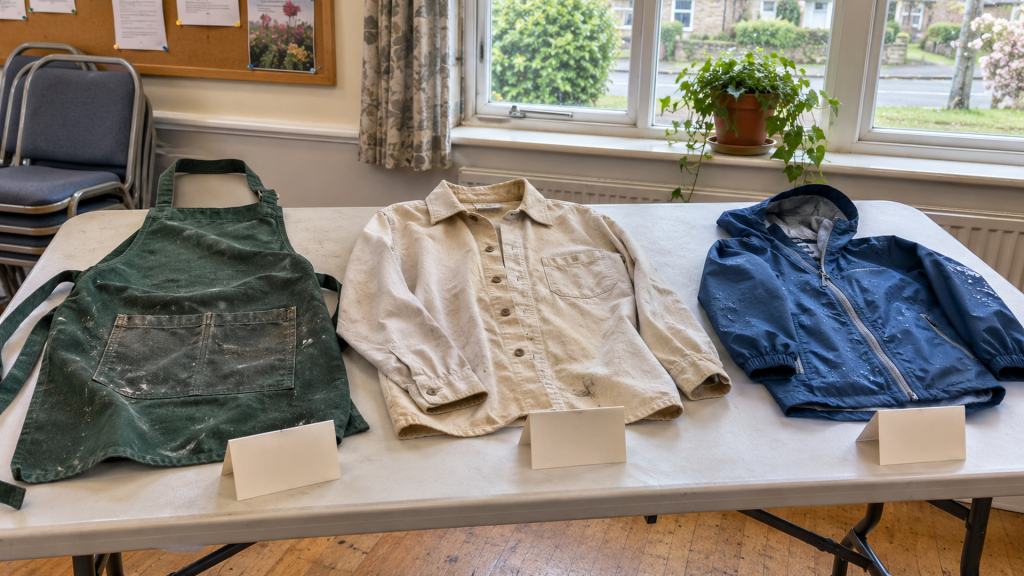
Ask a neighbour what they wore on one particular Tuesday and what they did in it. That question can bring in a work apron, a borrowed shirt or the rain jacket somebody still needs for tomorrow's walk to school. Choose the pieces that let a future reader reconstruct different parts of a day in your community. Send each one forward with the date of wear, the wearer's account and an agreement with the archive receiving it.
Featured image generated with AI.
Choose the Tuesday and the people who will receive it
Give the collection a place and an interval you can explain in one sentence. A neighbourhood's clothes during the first week of a new bus route make one possible frame. The clothes people put on between waking and bedtime on a chosen weekday make another. A shift that begins at ten at night may cross that tidy boundary. Let its wearer say which day they associate it with and record the actual times if they wish.
Find out what the receiving archive means by a time capsule. It might be a group of records available for research straight away or material set aside for a future opening. Ask who can accept objects, how much room is available, what happens to an item the archive declines and who will look after it. Leave packing, cleaning, storage conditions and any decision to seal a container to the staff taking responsibility for the collection.
The Brockville Museum gives a concrete example of why the conversation comes first. Its donation process asks whether an object fits the museum's mandate and has a clear local story. It explains that accepting a donation does not guarantee exhibition. Ask your own host what it can promise, then use those words in the invitation. Someone offering the apron from their last shift deserves to know whether they are being offered a place in a collection or a place in a display.
Invite a day of wear in the contributor's own words
Give people several ways to answer. They can bring the garment, describe it by phone, draw it, or offer a photograph after agreeing what may be done with it. Invite a person to nominate something still in use without parting with it. If every contribution has to be a permanent gift, you will hear more from people who own a spare than from people who use the same jacket all winter.
Begin with where the garment was that morning. Was it already hanging by the door? Did a friend bring it over? Who tied the apron strings, or rolled a cuff to keep it out of the sink? Ask what the wearer did next. A description of reaching over a counter in a particular apron can explain a shiny patch or a pocket worn through at one corner. Keep the action in the account even if the future reader will also have a photograph.
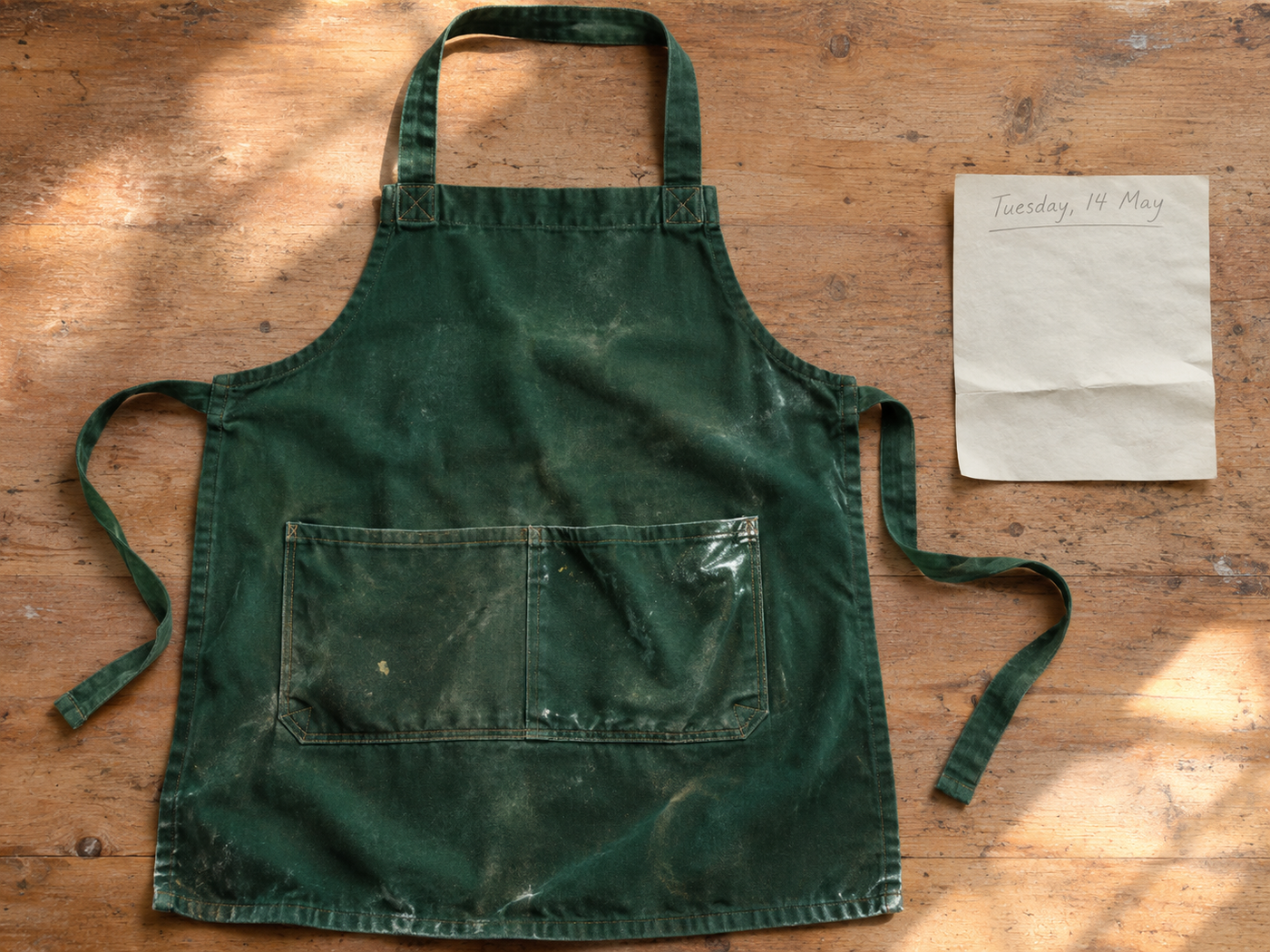
Take two dates. One belongs to the occasion the person describes. The other belongs to the conversation in which they told you about it. A note written years later about a Tuesday after school is still an account worth having if that difference is visible. Ask how precisely the contributor can place the day. A rota, a message arranging the loan or a school calendar could narrow the date if the person chooses to check it. A season remembered without a day can stand as a season.
Build the selection around activity
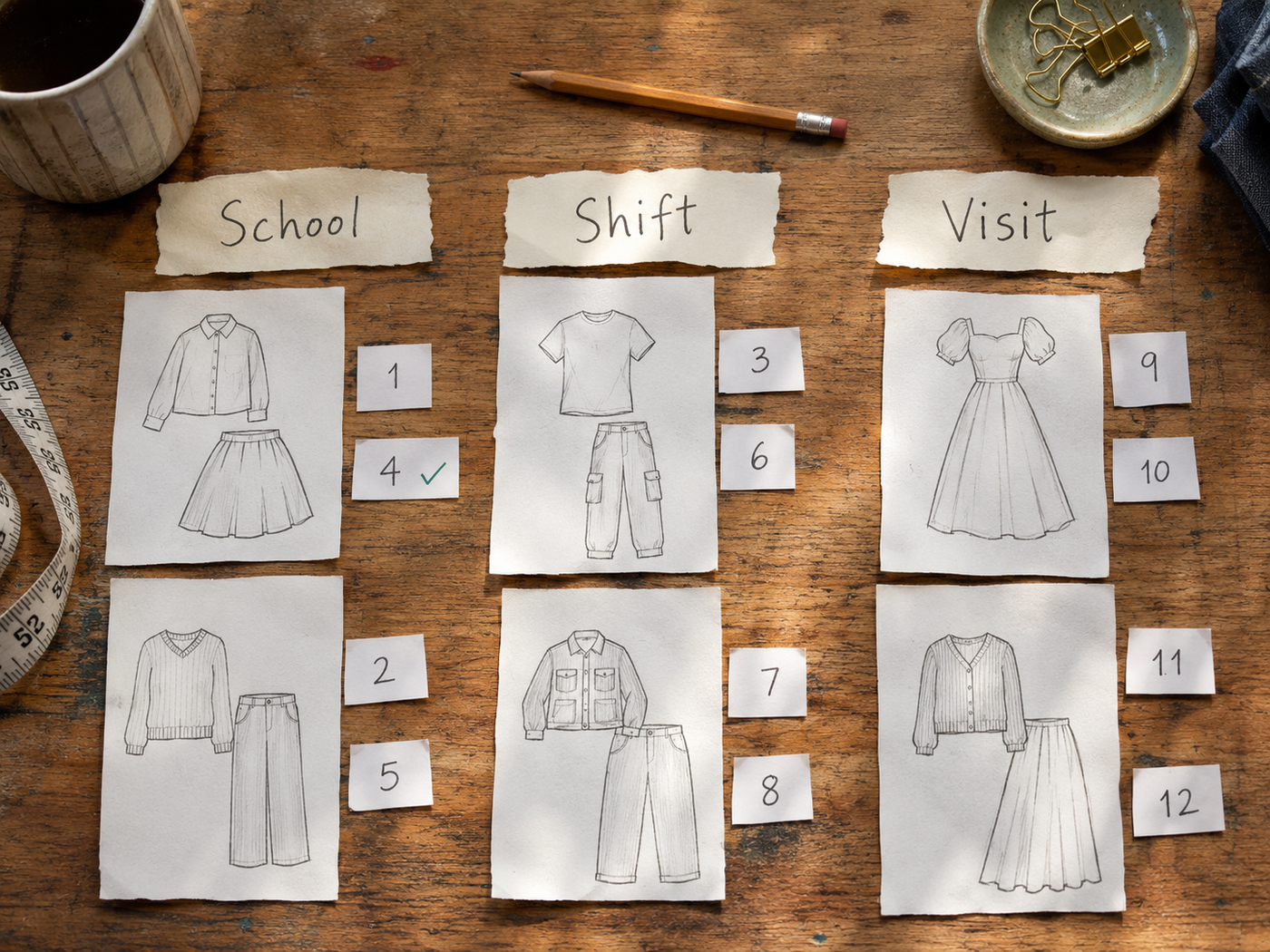
Draw a grid with a column for the activity, one for the garment, one for the contributor's relationship to it and one for the record available. Add a short reason for keeping it. It helps to write the activity as a verb. “Walking to school in the rain” tells the next reader more than a shelf labelled “children.” “Covering an evening shift” can include two people with different jobs who happen to have worn the same kind of apron.
Try three rows for a hypothetical set.
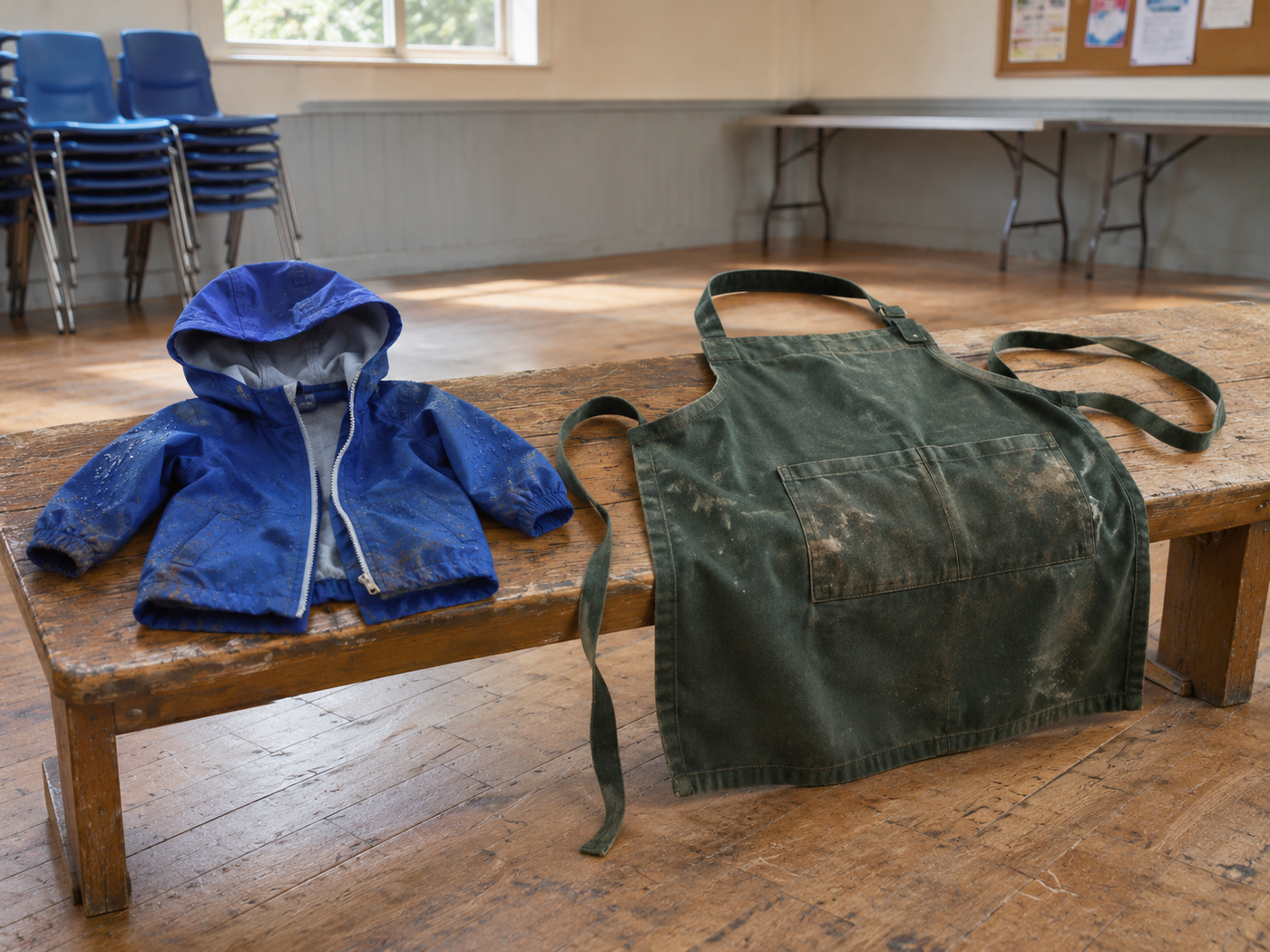
- Getting there. A blue rain shell accompanied the wearer on the school walk.
- Working. A green apron went on after the wearer arrived for a shift.
- Visiting. A canvas shirt was borrowed to visit a relative straight from work.
Now read the relationships between those rows. The shirt may also carry a story about lending. Give it another entry in the activity column using the same object number so that it stays one object in the count.
Read across a row and then down the first column. Suppose five people have offered graduation outfits and nobody has described what they wore at home after a shift. The celebration is part of local life. Choose one well-described example if it falls within your frame, and use the remaining invitation to ask about an evening at home. If no one wants to share that part of the day, mark the gap. A future reader can understand an unanswered invitation more accurately than an editor's guess about a whole neighbourhood.
Think about whose day a public collection table can reach. Someone caring for a relative may never pass the hall during opening hours. A night worker may be asleep. Try a different hour or a way to leave a short account by phone. Offer the same credit and review choices to a person who contributes remotely. Write down the invitation routes and hours so the group can later explain why a cluster of contributions came from one street or one shift.
When two pieces tell similar stories
Put the two accounts side by side before comparing the objects. Imagine two aprons of the same green cloth. One wearer can date the extra line of stitching on a pocket to the week a heavier order pad arrived. The other borrowed theirs from a colleague for a single evening and wants to describe the exchange. Those are different parts of working life. If you have space for only one physical apron, ask whether the second person would like their account considered alongside it with its own identifier.
Watch the difference between someone who wore the garment and someone who saved it. A parent may remember buying a rain shell. The child may remember how far its hood came over their eyes. Ask whose words can go into the record and what each person wishes to be called. Keep a family member's recollection attached to that family member. The same distinction matters when working out who supplied a clothing detail in a recording.
When the nominated shirt belongs to a friend or the apron to an employer, settle who can offer the physical piece before staff accept it. A contributor can speak about wearing something that they have no authority to donate. Ask the host whether an account or a permitted drawing would serve the purpose. If a uniform shows a person's name or workplace, discuss the identifier before taking a public photograph. Let the wearer see the actual crop and caption.
Write the card a future reader will find
Give each offer an identifier before materials start moving between tables. The card needs a plain garment description, activity, place at the level of detail approved, date or range, speaker's chosen credit, and a brief account in their words or an agreed paraphrase. Record whether the object, a photograph or the account itself is being considered. Keep contact details and agreements in the host's restricted administrative record.
Try reading a card without seeing the garment. Could someone tell why the pocket corner mattered and whose explanation they are reading? Now set the card next to the cloth. Check left and right from the wearer's point of view and ask whether the stain or patch you mention was there on the nominated day. If you learned about a later repair only at handover, give the repair its own date. A later stitch can be part of the garment's history without being part of that Tuesday.
Offer contributors the inventory entry in the form a reader will see. Some will approve a first name with their activity and ask you to leave the street out. Others will want a full credit alongside the exact term they used at work. Record who signed off, when, the agreed uses, and where the host will keep those terms. For an interview or an image with separate conditions, give each its own permission reference.
Hand over the selection and its limits
Walk the list with a member of the receiving staff. Read out object numbers, match them to the records and agree which physical items they are taking. Mark an offered photograph still awaiting clearance as pending. Give back anything held temporarily according to the agreement, and let the contributor know where to ask about their item later.
Send a short account of how you chose the group with the final inventory. Say which weekday or interval you sampled, how people were invited, which activities appear and which are missing. One future visitor may come for the date of the bus route. Another may linger over the apron pocket. Both should be able to find the person who connected that garment to that particular day and understand what the collection can tell them about the rest of the neighbourhood.

By Nell Aster